Low Carb Diet For Two Months

Low Carb Diet For Two Months

In July our family moved from Pennsylvania to South Carolina and along with packing up all of our belongings, I packed on about ten new pounds. Trying to learn a new place, setting up a new home, making new friends, worrying about my kids, left me filled with all the feels. Instead of coping with these feelings appropriately, I did what many educated, adult women do when stressed. I ate ice cream and gobbled down baked goods. 🍦🍩🍪🍨🤦🏼‍♀️

Fast forward to New Year's Eve and I decided enough was enough. It was time to stop feeling sorry for myself, neglecting my health, and not taking responsibility for my actions. I committed to making healthier mind, body, and spirit choices in 2018! I joined a gym. I signed our family up for a small group at the church we've been attending. I reached out to an acquaintance and invited her to lunch. And I started eating a ketogenic diet.

What is keto?

A ketogenic diet is a high fat, low carb, moderate protein diet. It's often touted as being the same thing as other low-carb diets such as Atkins or South Beach, but it is definitely different. Atkins is a much higher protein diet and South Beach allows for more carbs and has various stages. A keto diet has you eliminate practically all carbs from your diet with the exception of those found in leafy greens and avocados. You essentially starve your body of carbs in order to induce a state called ketosis, which forces your liver to use fat to produce ketones for energy. Typically your body uses glycogen as energy which is converted from carbs. Ketosis forces your body to use the ketones as energy and helps convert the fat that you're eating into energy. Unfortunately, ketosis doesn't necessarily help you burn your own fat stores more rapidly or effectively than other diets. You still have to watch your calories, really watch your carb intake, and exercise while eating keto. Some people respond dramatically to keto and rapidly lose weight. This has not been the case for me. Don't get me wrong. I HAVE lost weight so far but it hasn't been dramatic. However, I have seen many other non-scale benefits since going keto that I'll outline further down in the post!

Why keto instead of another diet?

I was on keto a few years ago and found it fairly easy to stick to which is the main reason I decided to give it a go again. On keto a person can eat meat, leafy greens, high fat dairy, seeds and nuts, avocados, and some berries. You can use a no-carb, no sugar sweetener to sweeten coffee or tea. You can have dark chocolate in moderation and some no-sugar sweets. My goal in losing weight and making lifestyle changes needs to make sense, allow for enjoyment, and above all not cause suffering. I don't do well and can't commit to suffering. If a diet makes me feel deprived, hungry, light-headed, or in anyway sick I just won't be able to stick to it long-term. After adjusting to keto, I feel great and truly do not have uncontrollable cravings, mood swings, or hunger.

What is the keto flu?

Also known as carb flu, the keto flu is a real thing. It is what many experience the first week of transitioning to a keto diet and is a withdrawal from carbs and sugar. During this time you might experience headaches, nausea, dizziness, insomnia, irritability, brain fog, and fatigue. Basically you feel crappy and want to eat carbs to alleviate your symptoms! To avoid the dreaded keto flu or to lessen its effect you should eat a few more lean carbs (like those in veggies), drink broth, up your magnesium, sodium, and potassium, eat a few more calories, drink more water, and exercise. I had a few keto flu symptoms for about two days and then felt fine.

One symptom I DID have upon starting keto is something most won't have to worry about. It is called a "keto rash" and happens to a small subset of those beginning a ketogenic diet. I actually experienced this same rash the first time I tried keto and another time when I did a low carb diet so I wasn't quite as alarmed this time around when it made an appearance. My thighs, stomach, back, upper arms and back of my neck broke out in a small, red, raised rash that was mildly itchy. It looked terrible and coconut oil seemed to help quiet it. There are many theories as to why this happens. Some claim it's candida die off, others claim it's fat detoxing through your pores, and some say it's an allergic reaction to your ketones in your sweat. Whatever the cause, know that it goes away within a week or two.

What do you eat on a keto diet?

To properly follow a keto diet, you will need to eliminate grains, sugar, most fruit and tubers, and stick to only 20 grams of net carbs a day. Net carbs are the amount of carbs a particular food has minus the amount of fiber. And not, unfortunately you are NOT able to take a fiber supplement to negate carbs. The fiber has to already be naturally occurring in the food you are eating. So for example, if I was served something like the above picture I would eat the olives, the cheeses, the meats, the prosciutto wrapped cheese, the radishes, a few raspberries and maybe a strawberry. I wouldn't eat many of the tomatoes or carby fruits, and of course I'd avoid the crackers, breads, and stuffed grape leaves.

What does a typical day on keto look like for you?

My diet varies day to day but this will give you a brief snapshot of what I might eat in a day. This isn't meant to be a meal plan for you to follow but just to give you the general gist of what the diet might look like. I aim to keep my calories between 1200-1300 calories a day and a little more on days that I workout. Fat is very calorie dense so monitoring your calories is important! If you like green salads, eggs, bacon, salmon, hard cheeses, and nuts, then keto should be easy for you to implement
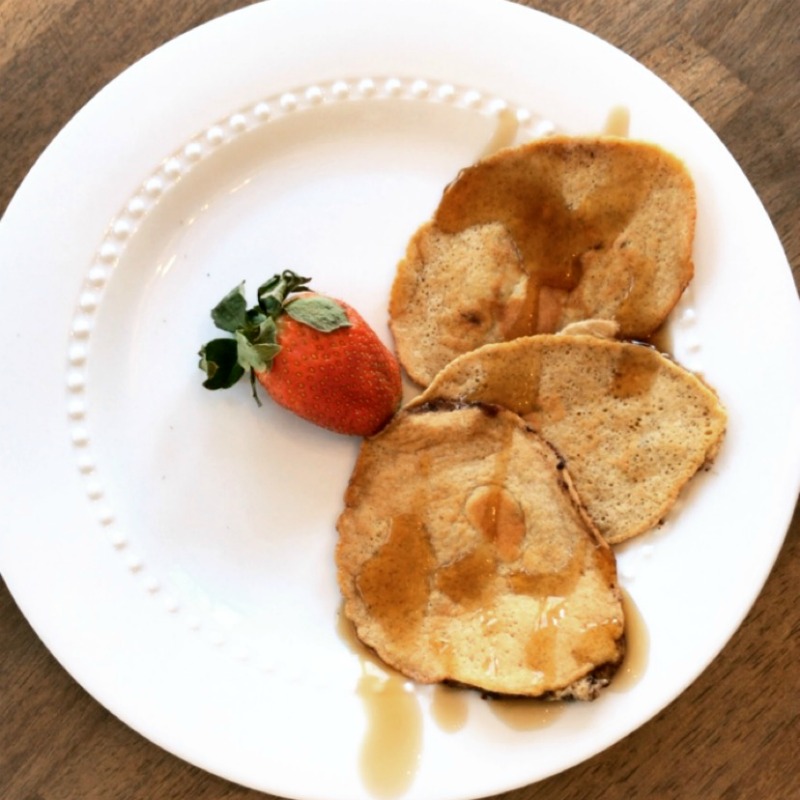
keto cream cheese pancakes

Keto Cream Cheese Pancakes: 1 egg, 1 ounce cream cheese, baking powder, vanilla, and cinnamon blended together in blender and cooked like pancakes on a buttered griddle. Serve with sugar free syrup.

BREAKFAST:

LUNCH:

DINNER:

  • Grilled salmon with dill
  • Steamed broccoli

DESSERT:

  • A few small squares of 85% Green & Black's dark chocolate with natural nut butter, or macadamia nuts

I don't typically need to snack while on keto. If I'm run down, I might eat a few almonds or a few olives and that seems to do the trick. Typing that just sounds utterly ridiculous. To be clear, I'm not an "oh, all I need is a few olives to sustain me," kind of girl. I've always been a "five cookies might do the trick if I'm lucky" type. But like I said before, eating a ketogenic diet really does help curb the cravings and tame your tendency to binge. On keto, I am pretty much sugar free and mostly gluten free which helps stabilize my blood sugar. On days that I work out I might add a half of a Quest protein bar, or some extra protein but otherwise I am happy and content with the macros.

What online tools are helpful for someone wanting to begin keto?

  1. Macro Calculator: Speaking of macros, I recommend you use a keto macro calculator to determine the percentage and grams of fat, protein, and net carbs you should be consuming each day.
  2. Weight Loss Calculator: In addition to knowing you daily macros, it's a good idea to use this weight loss calculator to get a rough estimate on how long it might take to lose the weight. When I entered in today's date, I received a date five months from now to be at my goal weight. That is five months to lose 22 pounds. You might lose weight much quicker than this, but I lose weight incredibly slowly and have found this calculator helpful .
  3. My Fitness Pal:I use My Fitness Pal to track my macros and calories. I just use the free version and it works great for me.
  4. Keto Recipe Sites: Some of my favorite keto recipe blogs are I Breathe I'm Hungry, Ruled Me, and All Day I Dream About Food.

I don't bake a lot of keto treats because I think it's best to keep things simple starting out, but I have enjoyed fathead bagels, sugar free peanut butter chocolate cookies, and chocolate chip scones. These are the only treats I've made in the last two months and honestly they may have slowed my progress down. But I figure staying in ketosis while enjoying a treat is better than falling out of ketosis by cheating. These are tasty alternatives to the real deal.
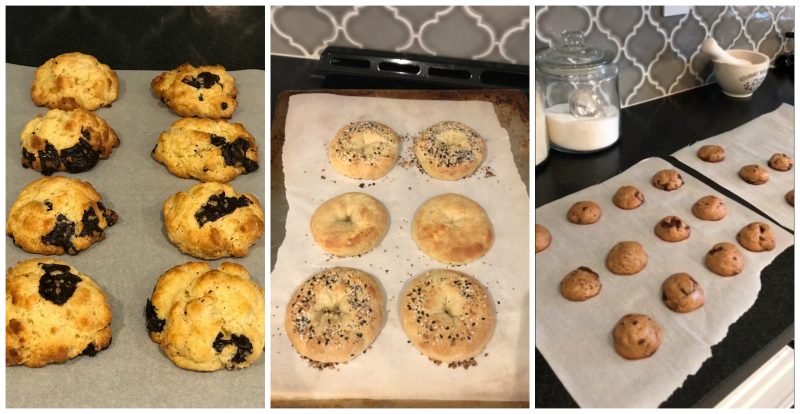
keto baked goods

What about exogenous ketones? Are they necessary?

Exogenous ketones are ketones you ingest to help your body get into ketosis faster or give you more energy while in ketosis. I personally don't find them necessary although those trying to sell them to you through their MLM's will swear they are miraculous and vital. I have tried MCT oil which is a type of good fat that is easily converted into ketone energy. I use it on days I workout to boost my energy levels but I'm not sure they are vital.

Should you take supplements while on keto?

I have watched my daily vitamin recommendations on My Fitness Pal and I am typically low in the following while eating keto:

  • Potassium
  • Magnesium
  • Calcium
  • Iron
  • Vitamin D

I also think you should take a probiotic while on keto because the lack of sugar can change your gut flora. I take all of the supplements above and also take Zint collagen daily.

How much weight have you lost so far on keto?

If you do a "before and after keto" search on the internet you will find myriads of inspiring weight loss stories and images. Many have incredible success at shedding the pounds quickly and easily. This just is never my experience no matter which weight loss program I've tried. I workout 3-4 times a week in addition to walking and I keep my net carbs between 20-30g every day. I have lost ten pounds in the last two months on keto and most of that weight loss was in the first month. I know this isn't incredibly impressive, but I am pleased with the results! I know my body and I know that I just lose weight at a snail's pace. I'm pear-shaped, have a slow metabolism, and it takes a lot of training and macro watching in order for me to drop in weight. Sure I wish it was coming off faster, but I feel good while on keto and don't feel like I'm missing out!

Any non-scale keto gains to note?

Yes! My skin has never been clearer and my allergies are amazingly better. A few months ago, I began having cystic acne for the first time in my life. Every month right before my period began my chin would break out something fierce. The only thing I had changed in my diet was eating a cup of 2% Greek Yogurt for breakfast. You would think eating Greek Yogurt would be healthy! I did some research and found that the excess of dairy can cause inflammation and result in cystic acne. Although I eat dairy while on keto, my skin has completely cleared to the point I rarely break out at all.

My allergies are typically horrible year round and since moving to South Carolina have really escalated. In December before beginning keto my husband suggested I look into getting allergy shots. My attacks each night were fierce and frequent! Since eating a ketogenic diet I can't recall the last time I had an allergy attack. Keto is supposed to reduce inflammation in the body and I'm a firm believer that it indeed does so! Many people adopt a keto lifestyle simply for its anti-inflammatory benefits.

Should I try a keto diet?

This diet is NOT for everyone. I repeat. It's just plain not good for everyone!  You should discuss with your physician whether it might be right for you and do your own internet research. If you have kidney issues, gallbladder issues, diabetes, or other health concerns you should of course check with your doctor.  There is a ton of good research both for and against a keto diet online. Don't take my word or experience for it! Do your own research and see what works best for you and your health.

Click the links below for more keto posts!

Keto Diet: What I've Experienced After Six Months on a Ketogenic Diet

Easy Keto Portobello Mushroom Cream Cheese Chicken Recipe

Shakshuka with Cream Cheese Recipe: Poached Eggs in Tomato Bisque

Keto Pumpkin Cranberry Scones

25+ Fresh Salad Recipes

Low Carb Diet For Two Months

Source: https://www.homestoriesatoz.com/weight-loss/keto-diet-what-ive-experienced-after-two-months.html

Share:

Simple Low Carb Diet Plan For Weight Loss

Simple Low Carb Diet Plan For Weight Loss

10 Diet Pills to Kickstart Your Weight Loss Efforts

Photo Courtesy: Pixabay

If you're struggling to lose weight, a diet pill can give you the boost you need to reach your goals. Some are available over-the-counter (OTC), while others require a prescription from your doctor. Either way, for the best results, combine any weight loss pill with lifestyle changes (like exercising more or eating a healthier diet). Here are a few diet pills that can help you get over your weight loss hump.

Best Overall: Phentermine

Photo Courtesy: WebMD

Phentermine is a prescription diet pill consistently proven to help its users lose weight. Users report that phentermine boosts their energy levels, making it easier for them to increase their daily activity and exercise more. Most users also experience appetite reduction that makes it less arduous to eat less. However, phentermine users also find that the drug is less effective the longer you take it.

Best Value: Nature Craft's Natural Raw Green Coffee Bean Extract

Photo Courtesy: Amazon

Prefer something OTC? Nature Craft's Natural Raw Green Coffee Bean Extract contains caffeine to boost your metabolism, plus chlorogenic acid to slow the absorption of carbohydrates (aka everything delicious). Users find that they're less likely to overindulge when taking this diet pill, and report high energy levels with no jittery feelings or "crash." More than 900 reviewers have weighed in, giving it a solid 4.5 star average rating.

Best Diet Pill for a Low-Fat Diet: Alli Orlistat

Photo Courtesy: Target

Alli Orlistat is a diet pill that blocks 25 percent of the fat from the foods you consume, creating a reduction in the amount of calories you absorb. Orlistat users experience the best results when they combine the diet pill with the suggested, healthy eating plan—seriously, you do not want to over-indulge. Users report that it's essential to adhere to a low-fat diet when taking Alli; otherwise, you risk digestive distress, stool leakage, and flatulence.

Best Diet Pill for Men: Prime Labs Prime Test Testosterone Booster

Photo Courtesy: Amazon

Prime Labs Prime Test testosterone booster is a popular diet pill with men who want to lose a few pounds and increase their testosterone levels. Users find that they have more energy and have better performance in the gym and weight room. Is there's a six-pack under your pudge? Fans also report that this diet pill helps eradicate stubborn belly fat. It has over 25,000 Amazon reviews and a 4.5 rating.

Best Diet Pill for a Ketogenic Diet: Keto BHB

Photo Courtesy: Amazon

If you want to try a ketogenic diet or prefer to eat low-carb foods, Purley Optimal's Keto BHB Supplement is an excellent diet pill to assist with your weight loss efforts and help you reach ketosis (the prized metabolic state where fat, not glucose, is used as fuel) as quickly as possible. Users report that Keto BHB helps combat the low energy levels that can accompany a low-carb diet, and boosts mental clarity to help prevent keto-related brain fog.

Best Diet Pill for Women: Nobi Nutrition Premium Women's Fat Burner

Photo Courtesy: Amazon

Nobi Nutrition Premium Women's Fat Burner is formulated specifically to assist with the often frustrating female weight loss journey. Fans of this diet pill find that it gives them more energy and suppresses the appetite without making them feel jittery. They also report feeling less hungry between meals and having more self control around foods that typically trigger them to overeat.

Best Night Time Diet Pill: Dr. Emil Bedtime Burn

Photo Courtesy: Amazon

Tackle your weight loss goals at night with Dr. Emil Bedtime Burn. This stimulant-free diet pill raises your metabolism while you sleep and contains ingredients to promote a better night's sleep—bonus! Bedtime Burn fans find that it helps reduce their cravings and raises their metabolism. It also aids them with falling asleep quicker and staying asleep so that they have ample energy to conquer their workouts.

Best Diet Pill for Overhauling Your Brain's Hunger System: CONTRAVE

Photo courtesy: Medscape

The brain's bitty hypothalamus, which is responsible for controlling the body's appetite and energy expenditure, can have an outsized effect on a person's weight. CONTRAVE is a prescription diet pill that reduces hunger and cravings by impacting how the brain's hypothalamus functions. While users of CONTRAVE report significant weight loss, this weight loss comes at a price. CONTRAVE can cost anywhere from $100 to $400 if it isn't covered by your insurance. Some users report side effects including headaches and constipation.

Best Multitasking Diet Pill: Native Nutrition Apple Cider Vinegar+

Photo Courtesy: Amazon

Apple cider vinegar is associated with a slew of health benefits, like controlling blood sugar levels, easing indigestion, and lowering cholesterol levels. Native Nutrition Apple Cider Vinegar+ encourages weight loss and features all the qualities conventionally associated with this supplement—except the taste. Fans of this diet pill find it a far more pleasant alternative to drinking apple cider vinegar, and report that it's effective at reducing bloat and assisting with appetite control.

Best Diet Pill for Reducing Bloat: NutriRise 15-Day Colon Cleanse

Photo Courtesy: Amazon

Bloated from overeating or consuming high sodium foods? Your body may be retaining water, which can conceal your weight loss. It's also incredibly uncomfortable. NutriRise 15-Day Colon Cleanse is an excellent way to jumpstart your lifestyle change and eliminate stomach-distending bloat. Users like that this cleanse eliminates that too-full feeling and encourages a loss in pesky water weight without causing significant digestive distress.

.

Advertiser Disclosure: When you purchase through links on our site, we may earn an affiliate commission.

More From ConsumerSearch.com

Simple Low Carb Diet Plan For Weight Loss

Source: https://www.consumersearch.com/health-beauty/best-diet-pills?utm_content=params%3Ao%3D740007%26ad%3DdirN%26qo%3DserpIndex

Share:

Diabetes Uk Low Carb Diet

Diabetes Uk Low Carb Diet

Savefor later Page saved! You can go back to this later in your Diabetes and Me Close

Low-carb diet and meal plan

Eating a low-carb diet means cutting down on the amount of carbohydrates (carbs) you eat to less than 130g a day. But low-carb eating shouldn't be no-carb eating.

Some carbohydrate foods contain essential vitamins, minerals and fibre, which form an important part of a healthy diet.

Here we'll explain what we mean by low-carb, what the benefits are of low-carb eating when you have diabetes, and share a low-carb meal plan to help you get started if this is the diet for you. We'll also explain how to get support to manage any potential risks, especially if you manage your diabetes with medications which put you at risk of hypos.

If you or someone you know is self-isolating, find out how to eat healthily whilst staying at home.

What's a low-carb diet?

But how low is low-carb? There are different types of low-carb diets. Generally, low-carb eating is when you reduce the total amount of carbs you consume in a day to less than 130g.

To put this into context, a medium-sized slice of bread is about 15 to 20g of carbs, which is about the same as a regular apple. On the other hand, a large jacket potato could have as much as 90g of carbs, as does one litre of orange juice.

A low-carb diet isn't for everyone. The evidence shows they can be safe and effective in helping people with type 2 diabetes manage their weight, blood glucose (sugar) levels and risk of heart disease in the short term.

But the evidence also shows they can affect growth in children, and so should not be recommended for them. And there is little evidence to show the benefits of this type of diet in people with type 1.

If you do decide to follow a low-carb diet, it's important to know all the potential benefits and how to manage any potential risks.

Low-carb meal plan

Our low-carb meal plan aims to help you maintain a healthy balance while reducing the amount of carbs you eat. Varying amounts of carbohydrate are shown each day to help you choose which works best for you.

It's nutritionally balanced, we've counted the calories for you, and it contains at least five portions of fruit and veg per day.

We've included the values of fibre and protein too to help you make sure you are meeting your nutritional requirements. We know lots of people in the UK aren't eating enough fibre, so it's important to try and include good sources in your diet every day.

Please note that the nutritional information and exact specifications for all meals and snacks is available in the linked recipes and the low carb meal plan (PDF 84KB).

low-carb diet

Before you begin this meal plan

Before starting any healthy eating programme, please read how to choose your meal plan to make sure you follow the plan that's right for you.

Please speak to your diabetes health care team before making significant changes to your diet.

This is especially important if you treat your condition with insulin and diabetes medications that increase the risk of hypos (low blood sugar levels). Reducing your carbohydrate intake and changes to your body weight may mean your insulin and diabetes medication needs to be adjusted.

Important points about this meal plan

  1. This meal plan has taken nutritional information from our recipes and the sixth edition of Carbs and Cals, unless otherwise stated.
  2. A mix of whole milk and semi-skimmed milk has been used, but please use whichever you prefer. Any dairy alternative should be unsweetened and fortified with calcium.
  3. These meal plans meet your recommended amount of fibre across the week.
  4. This meal plan outlines daily food intake for one person, but it's still important to remember to drink regular fluids. This includes plain water, plain milk, and tea or coffee without added sugar.

Disclaimer: every effort has been taken to make these meal plans as accurate as possible, but there will be some variation in nutritional values. Speak to a dietitian or your diabetes healthcare team if you have questions about your individual dietary needs.

Monday

Breakfast: Baked eggs with two slices of rye bread

Lunch: Chilli bean soup with avocado salsa

Dinner: Mackerel tomatoes served with leeks and broccoli

Pudding: Apple strudel

Snacks: Greek yogurt, two satsumas, plain almonds, one apple

Milk: 225ml semi-skimmed milk

Tuesday

Breakfast: Porridge made with 30g porridge oats, 200ml almond milk, 40g blueberries and 10g pumpkin seeds

Lunch: Bang bang chicken salad

Dinner: Minced beef and vegetable filo pie

Pudding: 80g strawberries

Snacks: Avocado, brazil nuts, celery and peanut butter

Milk: 225ml semi-skimmed milk

Wednesday

Breakfast: Mushroom and spring onion omelette

Lunch: Butterbean paté with carrots, tomatoes and mini wholemeal pitta bread

Dinner: Aubergine and courgette parmesan bake with rocket, tomato and tinned kidney beans

Pudding: 80g melon

Snacks: One apple and peanut butter, one pear with almonds, natural yogurt and pumpkin seeds

Milk: 225ml semi-skimmed milk

Thursday

Breakfast: Summerberry smoothie

Lunch: Chickpea and tuna salad

Dinner: Chicken tikka masala and cauliflower pilaf

Pudding: Summer berry posset

Snacks: Greek yogurt, two satsumas, one orange, almonds, two oatcakes topped with smooth peanut butter

Milk: 225ml semi-skimmed milk

Friday

Breakfast: Baked eggs with two slices of rye bread

Lunch: Two slices of medium wholemeal bread with grated cheddar, vegetable oil-based spread, tomato and cucumber

Dinner: Grilled salmon steak with baked sweet potato, broccoli and cabbage

Pudding: Sugar-free jelly

Snacks: raspberries, melon, avocado, plain almonds

Milk: 225ml semi-skimmed milk

Saturday

Breakfast: Welsh leek rarebit

Lunch: Cauliflower and leek soup with 25g cheddar

Dinner: Butternut squash and borlotti bean stew

Pudding: Tinned peaches in juice

Snacks: One apple, 30g almonds, Greek yogurt, small pear and almonds, 60g pistachios with shells

Milk: 225ml semi-skimmed milk

Sunday

Breakfast: Omelette made with two eggs and milk along with 80g spinach, 80g mushrooms, 1tsp of vegetable oil, 25g grated cheddar. Pair with a slice of rye bread with 1tsp of unsaturated margarine

Lunch: Smoked mackerel on granary toast with 1sp of veg spread, rocket, tomato and cucumber.

Dinner: Greek homestyle chicken with broccoli and leeks

Pudding: 80g raspberries and 80g melon

Snacks: Low-fat Greek yogurt with almonds and pumpkin seeds, spicy roasted chickpeas, one small pear

Milk: 225ml semi-skimmed milk

Benefits of following a low-carb diet

One of the main benefits of following a low-carb diet is weight loss. For people with type 2 diabetes, this helps to reduce HbA1c and blood fats such as triglycerides and cholesterol. For people who don't have diabetes, losing weight can reduce your risk of developing type 2 diabetes, and a low-carb diet is one option to help you do this.

For people with type 1 diabetes

If you have type 1, the strongest evidence suggests that carb counting is the best way to manage your blood sugar levels. This means matching how much insulin you take to the amount of carbs in your meal, snack or drink.

There is no strong evidence that following a low-carb diet is safe or beneficial, which is why we don't recommend this diet for people with type 1 diabetes.

It is really important that you speak to your healthcare team for support to manage your insulin if you're considering a low-carb diet.

For people with type 2 diabetes

We know losing 15kg within three to five months will give people with type 2 the best chance of putting their diabetes into remission. Evidence tells us this is more likely if you are able to lose weight within 6 years of your diagnosis.

Finding a way to lose weight can also help you improve the way you manage your condition and reduce your risk of diabetes complications. There are different ways to lose weight, such as a low-carb diet - but there's no one-size-fits-all approach.

Find out more about weight loss and diabetes.

"I changed to a high-fat, low-carb diet and cut out sweet stuff altogether. Diabetes UK's website and an app for my phone really helped.

I lost around 12lbs (5.5kg) in my first week. When I returned to see the nurse after three months, my HbA1c was down to 42mmol/mol – it had been 51mmol/mol when I was diagnosed. The nurse thought she was seeing things.

I've now lost around seven-and-a-half stone (46.8kg) and my HbA1c level is 37mmol/mol."

- Paul's type 2 diabetes is now in remission.

However, there's no evidence that following a low-carb diet is any more beneficial in managing diabetes than other approaches in the long term, including a healthy, balanced diet.

Research suggests that the best type of diet is one that you can maintain in the long term, so it's important to talk to your healthcare professional about what you think will work for you. Another option is the Mediterranean diet, which is also linked to reducing the risk of heart diseases and stroke.

What to consider before following a low-carb diet

If you treat your diabetes with insulin or any other diabetes medication that puts you at risk of hypos, following a low-carb diet may increase this risk. Speak to your healthcare team about this so they can help you adjust your medications to reduce your risk of hypos. Your team may also support you to check your blood sugar levels more often.

"I make sure I balance out my diet with what suits my insulin, but with a bit of tweaking, most things can be persuaded to suit my insulin!

I won't eat a load of pasta with a side of garlic bread and not much else, because the carb load would be difficult to bolus for. But neither would I eat a completely carb free meal. It's all a question of balance, and a healthy diet is good for all of us, diabetic or not."

- Online forum user living with type 1.

Depending on the approach, following a low-carb diet may also lead to other side effects, such as constipation or bad breath.

Although these can be unpleasant, they are usually temporary and shouldn't be harmful in the long term. Speak to your healthcare professional if you're concerned about any of these.

It's really important to first reduce your carb intake from unhealthy sources such as sugary drinks, pizzas, cakes, biscuits, chips, white bread, fruit juices and smoothies.

And it is a good idea to get your limited carbs from healthy high-fibre carb foods, such as pulses, nuts, vegetables, whole fruits and whole grains. You can help make sure you're getting the calcium you need by including unsweetened milk and yoghurt in your diet too.

Back to top

Diabetes Uk Low Carb Diet

Source: https://www.diabetes.org.uk/guide-to-diabetes/enjoy-food/eating-with-diabetes/meal-plans/low-carb

Share:

Are Quest Bars Good For Low Carb Diets

Are Quest Bars Good For Low Carb Diets

Are quest bars keto

Yes, sort of. Quest bars are protein bars, and protein bars are simply candy bars with more protein and a great marketing strategy. While Quest products replace sugar with oligosaccharides - sugar alcohols made from fermented fruit peels - there are still a lot of problematic and high-carb things going on here. You can fit them into your keto diet, but there are better alternatives and you need to be selective about how often and when you eat Quest bars on keto.

Keto rating: Okay

Quest bars are flavored with natural ingredients and oligosaccharides are reasonable in small quantities on keto, but the bars are filled out with a lot of fiber. Most of this is in the form of prebiotic corn starch fiber, which is both good and bad. Indigestible fiber is great for your gut microbiome, but corn and wheat products are sketchy at best on keto. Our bodiesdon't react well to themand our gut bacteria like fiber from non-starchy vegetables best.

Still, in a pinch, you can sneak a Quest bar in here and there and still maintain ketosis. Let's take an in-depth look at Quest bars on keto.

[keto-cookies-1]

Examining Quest bars for keto dieters

Quest bars come in a huge range of flavors now - just about 8 years ago when the company started, they only had a few and while they were fine, they were pretty basic. The bars themselves are very chewy, though that has improved as well in the last 8 years. With the improved texture came a variety of flavor options, including:

  • Cinnamon Roll
  • Vanilla Almond
  • Blueberry Muffin
  • Mocha
  • Double Chocolate Chip
  • Cookie Dough
  • Birthday Cake
  • Peanut Butter Fudge
  • Fudge Brownie

There are plenty more than that and they release seasonal ones as well, like Pumpkin Pie. But with all these flavors, are they really keto-friendly? Most Quest bars boast around 25 total carbs, and more than half are usually from fiber. After that, there are the sugar alcohols, which make up around half of the remaining total carbs, leaving around 4-5 net carbs per bar.

Understanding "low carb" versus "keto"

While many keto adherents advocate a very strict policy of no additives, no wheat or corn, and often no sugar alcohols, this doesn't necessarily mean these things aren't "keto". Truth be told, ketosis is a state of your metabolism, caused by a low enough dietary carbohydrate intake. You could, through fasting and other carb restriction, probably enter ketosis even if you were eating a Snickers bar every day.

Low carb is different, seeking to keep your carb intake under 50-100g a day. This also has health benefits including weight loss, but is less restrictive, although the speed of weight loss is slower and the health benefits are lessened. The point is that Quest bars fit both keto and low carb lifestyles, if they fit into your macros, but you need to take care when using them with an intention of maintaining ketosis.

One good way to see if they fit into your diet is to allow yourself to eat them and see if your weight loss stalls. If so, they probably aren't for you.

Quest bars  nutritional facts

There are currently 19 flavors of Quest bars, along with Hero bars (which are more like candy bars), and snack bars which are more nut-based. Let's look at a few and get a feel for their nutritional facts.

White Chocolate Raspberry Quest Bar

Quest White Chocolate Raspberry

Per 1 bar serving:

  • Calories: 200
  • Fat: 8g
  • Protein: 20g
  • Carbs: 22g
  • Sugar: 1g
  • Dietary Fiber: 15g
  • Sugar Alcohols: 2g

Maple Waffle Quest Bars

Quest Maple Waffle Bars

Per 1 bar serving:

  • Calories: 190
  • Fat: 6g
  • Protein: 20g
  • Carbs: 24g
  • Sugar: 1g
  • Dietary Fiber: 16g
  • Sugar Alcohols: 3g

Double Chocolate Chunk Quest Bars

Quest Double Chocolate Chunk

Per 1 bar serving:

  • Calories: 180
  • Fat: 7g
  • Protein: 20g
  • Carbs: 24g
  • Sugar: 0g
  • Dietary Fiber: 14g
  • Sugar Alcohols: 6g

Keto alternatives to Quest Bars

There are tons of truly ketogenic snack bars out there now if you know where to look. In a market saturated with brands looking to imitate the success of Quest brand products, it's refreshing to find some companies looking to make keto-friendly bars that taste great, are gluten free and aren't filled with junk.

Keto Bars Mint Chocolate

Keto Bars

With several flavor options, Keto Bars are, well, the original keto bar! Their bars are high fat (21+ grams) and low carb (~3g net carbs). They boast they are  vegan, gluten free, soy free, and contain no fiber syrups. Their flavor options include mint chocolate, chocolate strawberry, dark chocolate coconut almond, & chocolate peanut butter.

Per 1 bar serving (1.65oz or 47g):

  • Calories: 220
  • Fat: 19g
  • Protein: 6g
  • Carbs: 15g
  • Sugar: 0g
  • Dietary Fiber: 7g
  • Sugar Alcohols: 5g (Erythritol)
  • Net Carbs: ~3g

Atlas Bars

Made without corn or wheat - opting instead for tapioca as a binder and fiber-fill - Atlas bars add extra fats from healthy sources, like almond butter. They're delicious, with a low-key sweetness, unlike the sometimes cloyingly sweet flavor of Quest bars. You can find them on Amazon or on their website.

Per 1 bar serving:

  • Calories: 210
  • Fat: 11g
  • Protein: 14g
  • Carbs: 22g
  • Sugar: 0g
  • Dietary Fiber: 11g
  • Sugar Alcohols: 6g (from vegetable glycerin)

Love Good Fats bars

These bars are a keto dieter's dream. They're sweetened with chicory, made with healthy fats like palm and coconut oil, as well as almond butter, and they taste incredible. With a variety of novel flavors, it's hard to beat Good Fat bars for nutrition, taste, and quality of ingredients. You'll also note that the protein is much lower here, and that's because these bars are specifically formulated for keto macros.

Per 1 bar serving:

  • Calories: 190
  • Fat: 14g
  • Protein: 7g
  • Carbs: 14g
  • Sugar: 2g
  • Dietary Fiber: 9g
  • Sugar Alcohols: 0g

Perfect Keto snacks

This brand really aims to hit the keto crowd with something specific to their macros and delicious. More than any of these other products, Perfect Keto hammers home the fat and keeps the carbs and protein low, perfect for on-the-go keto snacking.

Per 1 bar serving:

  • Calories: 240
  • Fat: 18g
  • Protein: 13g
  • Carbs: 10g
  • Sugar: 1g
  • Dietary Fiber: 2g
  • Sugar Alcohols: 0g

Quest bars for keto are okay, in moderation

While Quest bars are readily available - you can find them at most Walgreens and even gas stations - they're not something you should eat daily. If they don't interfere with your weight loss, there are certainly worse things you could eat, but for keto, there are better bars. Whole foods are always going to be the best option, but in a pinch, Quest bars are delicious, and if they fit your macros, can be a useful tool to keep you on track with your keto weight loss goals.

Interested in keto snack ideas? We've listed 120+ options!

Published: January 11, 2021
Author: Tony Lozzi
Tony Lozzi is a keto adherent who lost over 200 pounds cutting carbs and lifting weights. He has researched low carb  eating for over 10 years and runs www.fit2father.com, a keto blog dedicated to helping others lose weight with keto. He lives in the US with his wife, kids, and various cats.

Written by Tony Lozzi

Published: January 11, 2021

Are Quest Bars Good For Low Carb Diets

Source: https://www.superfat.com/blogs/keto/are-quest-bars-keto

Share:

Indian Vegetarian Low Carb Diet Meal Plan

Indian Vegetarian Low Carb Diet Meal Plan

Photo Courtesy: alvarez/E+/Getty Images

In the United States, the average person consumes only about 10-15 grams of fiber per day. And that's not even half of the official recommendation. Along with protein, carbohydrates, and essential fats, fiber is an integral part of a healthy diet. So, what makes it essential?

Unlike other food components, fiber is indigestible. Although it is not absorbed by the body, fiber provides many health benefits, from maintaining bowel health to controlling blood sugar levels. With this in mind, developing a high-fiber diet plan is a great idea for folks with particular health needs. Here, we'll review which foods to eat and how to incorporate the right amount of fiber into your diet while avoiding the common pitfalls associated with high-fiber regimens.

As you may know, there are two types of dietary fiber — insoluble and soluble. The difference is simple: soluble fiber partially dissolves in water, while insoluble doesn't. While neither type of fiber is digestible, soluble fiber does undergo some changes as it travels through one's digestive tract.

Photo Courtesy: fcafotodigital/E+/Getty Images

To make the most of a high-fiber diet, one should incorporate both types of fiber into their plan, namely because they provide different health benefits. For instance, diverticulitis is a common disease that causes the colon to develop small pouches, which become painful and inflamed. According to the Harvard School of Public Health, eating a diet high in insoluble fiber is believed to lower the risk of diverticulitis by about 40 percent.

Benefits of a High Fiber Diet

Most people have heard that fiber should be incorporated into their diet, but its benefits may still surprise many folks. For example, eating foods high in soluble fiber can help lower cholesterol levels and, as a result, the risk of experiencing heart disease.

Moreover, a diet high in both insoluble and soluble fiber is vital for people who have, or are at high risk of developing, diabetes. According to the Mayo Clinic, increasing soluble fiber in one's diet can help control blood sugar levels by slowing down the absorption of sugar. The chances of developing type 2 diabetes also decrease in people who eat a diet high in insoluble fiber.

Although most people will experience an occasional bout of constipation, elderly folks may encounter it more frequently, so a high-fiber diet may be beneficial as it can decrease the chances of constipation. Another benefit? A high-fiber diet may help with weight loss since eating fiber-rich foods can help dieters feel full faster and, therefore, eat less.

Tips for Crafting a Successful High-Fiber Diet

When creating a high fiber diet plan, several tips can help make the change easier and reduce the likelihood of common pitfalls. First, it is crucial to know how much dietary fiber to consume. According to the University of Maryland Medical Center, most adults should eat a minimum of 25 to 40 grams of fiber each day.

Selecting Good Sources of Fiber

First up: insoluble fiber. Great sources of insoluble fiber include various fruits, like apples and raspberries, as well as vegetables, like broccoli and carrots. When choosing your daily fruit and vegetables, keep in mind that the highest fiber content will be located in the skin and pulp of vegetables. Root vegetables and leafy greens — carrots, potatoes, kale and spinach — are all solid high-fiber choices.

So, what about soluble fiber? Foods made from whole grains, such as bread, pasta, and oats, are good choices when it comes to crafting a daily high-fiber diet plan, namely because wheat bran, which is part of the grain, has a very high fiber content. Other foods high in soluble fiber include barley and legumes, such as peas, lentils, and beans.

Another way to add more fiber to one's diet? Trade your morning glass of fruit juice for a piece of whole fruit — skin and all. You'll not only get more fiber, but you'll likely consume less calories.

Common Pitfalls Associated With High-Fiber Diets

Even when eating healthy, too much of a good thing can have negative consequences. Since fiber is not digested, overeating it — or eating too much of it quickly — can lead to bloating and gas. Some people may also develop diarrhea if they overeat fiber. To mitigate this side effect, fiber intake should be increased gradually over the course of six weeks. This will allow one's body time to adjust.

Another reason to increase your fiber intake slowly? A sudden increase in fiber may lead to stomach cramps and other intestinal discomforts. When making the gradual transition to a high-fiber diet, remember that even small dietary changes can add up. For instance, swap processed white bread for whole-grain loaves of bread made from oat or wheat bran.

Although it may decrease constipation in some people, increased fiber can also have the opposite effect and lead to constipation or irregular bowel movements. Therefore, it's important to drink plenty of water when one increases their fiber intake.

Resource Links:

  • "High Fiber Diet" via National Center for Biotechnology Information (NCBI), U.S. National Library of Medicine
  • "Diet and Health: Implications for Reducing Chronic Disease Risk" via Diet and Health, National Center for Biotechnology Information (NCBI), U.S. National Library of Medicine
  • "Health benefits and practical aspects of high-fiber diets" via The American Journal of Clinical Nutrition
  • "The Health Benefits of Dietary Fiber" via Nutrients, National Center for Biotechnology Information (NCBI), U.S. National Library of Medicine
  • "Dietary fibre in foods: a review" via J. Food Science Tech., National Center for Biotechnology Information (NCBI), U.S. National Library of Medicine

MORE FROM SYMPTOMFIND.COM

Indian Vegetarian Low Carb Diet Meal Plan

Source: https://www.symptomfind.com/health/high-fiber-diet-plan-tips?utm_content=params%3Ao%3D740013%26ad%3DdirN%26qo%3DserpIndex

Share:

Grapefruit And Low Carb Diet

Grapefruit And Low Carb Diet

is grapefruit keto

Grapefruit is a citrus fruit that is a cross between an orange and a pomelo. There are several color varieties of grapefruit including white, pink, yellow, and red, but they are primarily pink or red on the inside. Grapefruit has a sour taste and is not as traditionally sweet as most fruit . Since they are more sour than sweet, some assume they are lower in sugar. Does that mean they are low carb? Is grapefruit keto?

Grapefruit Nutrition Facts

One small grapefruit weighs approximately 200 grams. A 123g serving size (1/2 a grapefruit) contains 37 calories, 9.22g of carbs, 1.35g of fiber, 0.1g of fat, and 0.676g of protein. [1]

Health Benefits of Grapefruit

Grapefruit is often considered a healthy food because it is low in calories and high in nutrients. Because of this, grapefruit is often seen as a weight-loss food. Since grapefruit is low in calories, contains a lot of water, and has a very sour taste, many find that it is a helpful snack when trying to lose weight.

One study found that consuming grapefruit may benefit insulin resistance. This 12-week study found that individuals consuming one grapefruit a day lost 3.5 lbs, whereas the individuals not consuming grapefruit lost <1 pound. [2]

Grapefruit packs a substantial amount of vitamin C (37mg per 1/2 grapefruit serving). It also provides vitamin A, potassium, and calcium. [1]

Some research also suggests that consuming grapefruit may be beneficial for heart health. One study found that consuming grapefruit may help improve blood pressure and reduce the risk for heart disease. [3]

Is Grapefruit Keto?

1 whole small grapefruit contains about 20g of carbohydrates, 3g of dietary fiber, and 17g of net carbs. Since the average ketogenic dieter consumes less than 20 grams of carbs a day, grapefruit are not traditionally considered keto-friendly. Grapefruit is also low in fat and the ketogenic diet is a high-fat diet.

That being said, some individuals are able to eat up to around 50 grams of carbs a day on the ketogenic diet. Grapefruit is not considered a low-carb fruit ; however, if portioned, it could be consumed in moderation. For example, 1/4 of a grapefruit has about 4g of net carbs.

When consuming grapefruit on low-carb diets, it's important to eat only in moderation and to closely monitor the carb count so that you do not exceed your total daily carbs.

It should also be noted that grapefruit juice should be avoided, for the most part. Grapefruit juice tends to have added sugar and less fiber.

Do You Eat Grapefruit on the Keto Diet?

Comment below and share your thoughts with the community ! Is grapefruit keto? Or do you avoid it?

References

Grapefruit And Low Carb Diet

Source: https://ketogenic.com/is-grapefruit-keto-should-you-avoid-citrus-on-keto/

Share:

How Does A Low Carb Diet Make You Lose Weight

How Does A Low Carb Diet Make You Lose Weight

Photo Courtesy: [Phil Fisk/Cultura/Getty Images]

Carbs may be delicious, but, depending on your health status and any conditions you may have, they may not be the most nourishing (or healthy) macronutrients for you to eat. However, that doesn't mean you can't enjoy your favorite typically higher-carb foods — it just means you need a bit of creativity and a few tips and tricks for making modifications. That's especially true when it comes to a classic breakfast favorite: quiche.

Traditional quiche begins with a pie crust as its base, which isn't ideal if you're limiting carbs. But, by removing the crust — or using some delicious, low-carb substitutes — you can still enjoy the delicate egg and zesty ingredient combinations that make this dish so versatile. Start diversifying your low-carb breakfast menu (or even your evening meals) with these easy crustless quiche recipes.

Crustless Vegetable Quiche

Photo Courtesy: [EasyBuy4u/Getty Images]

Starting the day with an array of healthy vegetables — plus the protein from eggs — on your plate is never a bad idea. That's why this crustless vegetable quiche is such a nice option: You get great flavors and all the nutritional benefits of whatever veggies you add. Plus, it's vegetarian friendly. Even if you're not fully vegetarian, there are some great reasons to try this quiche; forgoing meat once in a while and upping your consumption of fresh produce can improve your cholesterol levels, for one.

This recipe from Food.com calls for broccoli, red pepper and zucchini, though you can swap them out for other vegetables if you prefer. Mushrooms, asparagus and tomatoes are tasty options as well. All are great sources of different vitamins, minerals and fiber. Add the cheese of your choice and some salt and pepper or other spices for an easy way to change up the flavor profile.

Crustless Quiche Lorraine

 Photo Courtesy: [jaker5000/Getty Images]

Quiche Lorraine might be one of the most classic (and best-known) recipes for this dish — and it's just as delicious without the crust. If you're looking for a keto-friendly breakfast dish that helps you reach your daily protein goals, this crustless quiche Lorraine, also from Food.com, is a top option.

Generally, people who follow the ketogenic diet get about 75% of their daily calories from fat, 20-30% from protein and around 5% from carbs. This recipe gets its fat and protein from the eggs, bacon and Swiss cheese you'll use. If you want to add a vegetable for extra flavor and nutrients, try spinach; it's relatively low in carbs but packed with healthy vitamins A and K.

Bacon Cheeseburger Keto Breakfast Quiche

 Photo Courtesy: [John Rizzo/Getty Images]

Looking for more crustless quiche options that work just as well for dinners as they do your morning meals? You'll want to try this bacon cheeseburger keto quiche from Kalyn's Kitchen. It satisfies keto fat and protein requirements thanks to its ground beef, bacon, eggs and the cheese of your choice (we recommend sharp cheddar). For a little bit of low-carb veggie crunch, add a handful of green onions and pickles into the mix too — yes, pickles in crustless quiche. They really do elevate this dish with their crunch and zesty tang.

Spicy Southwest Crustless Quiche

 Photo Courtesy: [yipengge/Getty Images]

For those on the keto diet who also like a little kick to their meals, this spicy Southwest crustless quiche from the folks at Wisconsin Cheese will definitely satisfy any flavor cravings. It's packed full of fat and protein thanks to its eggs, heavy whipping cream, milk and pork sausage. Add some jalapenos, green peppers and pepper jack cheese to crank up the spice level.

As with most of the quiche dishes in this list, you'll cook this in a greased pie dish at 350 degrees Fahrenheit until the edges are golden brown and the center of the quiche no longer looks runny or jiggly. It may take about 45 minutes to achieve the right cooked consistency, and you can also tell the quiche is done — as with many baked treats — when a knife inserted into the center comes out clean. Let the quiche stand for about 10 minutes to fully firm up before slicing into it.

Vegan Crustless Quiche

 Photo Courtesy: [Cavan Images/Getty Images]

This one is a bit of a surprise — a unique and flavorful surprise. You already know quiche is an egg dish, and eggs aren't vegan. So you might also be wondering how a vegan version could exist. In showcasing some true culinary creativity, this vegan crustless quiche from The Spruce Eats utilizes tofu, dairy-free crumbled cheese, soy or almond milk, nutritional yeast, ground cashews and dairy-free cream cheese.

The result is a smooth, authentic crustless quiche that's perfect for people who eat a plant-based diet or those who are allergic to eggs. In addition to its healthful egg-free base, it's got asparagus, garlic and turmeric to spice things up just right. You can always add or substitute your preference for other veggies as well; consider using what's in season to enjoy them at their peak of freshness.

Kale and Feta Crustless Quiche

 Photo Courtesy: [Kale and Feta Crustless Quiche/Eating Bird Food]

Eating Bird Food's kale and feta crustless quiche recipe is an easy yet flavorful low-carb meal that makes for not only a delicious breakfast but also an ideal main course for lunch or dinner. Simply pair a slice with a cup of soup or a salad to create a well-rounded meal. As an added bonus, this recipe is a little different from other basic crustless quiches, which can keep your taste buds on their toes while giving you a nutrient boost at the same time.

Aside from the kale, feta and eggs — its star ingredients — this recipe uses coconut oil, almond milk, mushrooms, garlic, nutmeg and parsley. And here's an interesting tidbit of information about kale: It's a superfood that's chock-full of vitamins and minerals — but that's also low in calories and carbs.

Resource Links:

https://nutritiondata.self.com/facts/vegetables-and-vegetable-products/2626/2

https://www.mayoclinichealthsystem.org/hometown-health/speaking-of-health/the-many-types-and-health-benefits-of-kale

MORE FROM SYMPTOMFIND.COM

How Does A Low Carb Diet Make You Lose Weight

Source: https://www.symptomfind.com/health/basic-crustless-quiche-recipes?utm_content=params%3Ao%3D740013%26ad%3DdirN%26qo%3DserpIndex

Share:
banner